

The Blueprint Has Changed
Before either tryout began, the language coming from Dallas and Atlanta sounded remarkably similar.

Dallas Drive head coach Tucker Hunter wasn’t looking to recreate the roster that won the league’s first championship. He talked about specialists—athletes who could change specific games—and about being far more strategic than the year before.
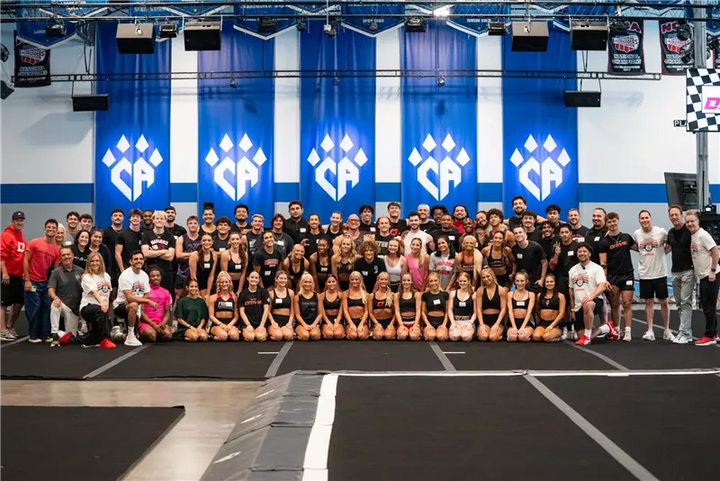
Nearly 800 miles away, Atlanta Air head coach Paige Colon echoed the same philosophy.
She wasn’t searching for the best all-around athletes.
She wanted athletes who had mastered a role.
Those comments could have been dismissed as typical preseason optimism.
By the end of the weekend, they felt more like a blueprint.
The first two Pro Cheer League tryouts revealed something bigger than standout tumbling or early roster decisions.
For the first time, everyone seems to understand what building a professional cheer team actually requires.
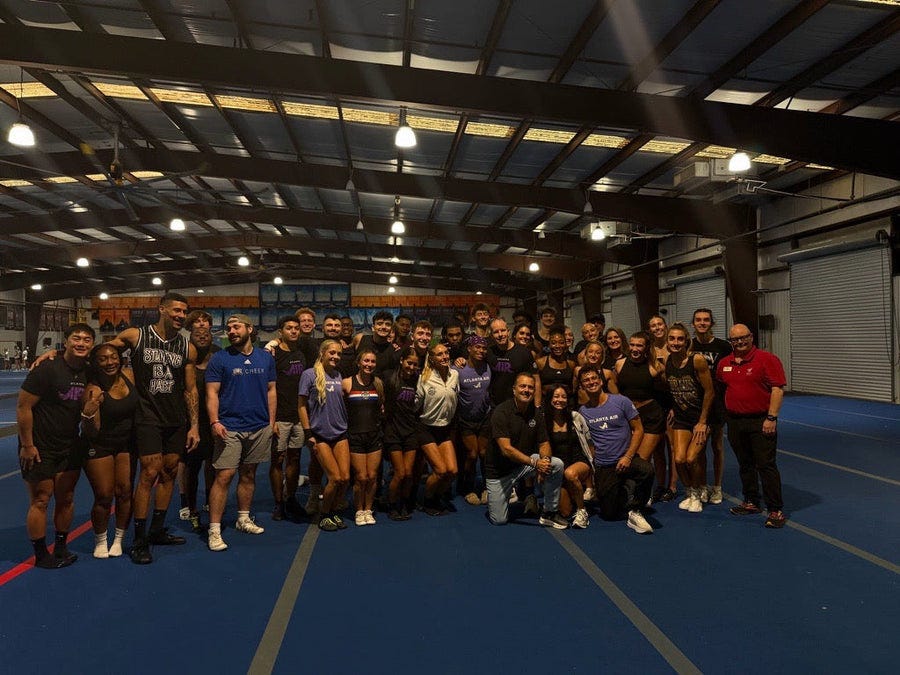
Coaches Aren’t Building the Same Teams They Built Last Year
Season One forced every organization to make educated guesses.
No one knew exactly which skills would translate into the league’s head-to-head format. Coaches valued versatility because they didn’t yet know where specialists would have the greatest impact.
A season later, that uncertainty has largely disappeared.
Hunter spoke openly about searching for athletes who could dominate individual games rather than simply contribute everywhere. Paige described a similar approach, emphasizing mastery over versatility and ownership over assigned roles.
Those ideas weren’t isolated to interviews.
They showed up on the floor.
Elite tumbling remained one of the weekend’s biggest attractions, but the depth beneath the headline skills may have been even more impressive. Bullseye, Highest Tumbler and the league’s expanded evaluations highlighted athletes who weren’t simply showcasing difficulty—they were demonstrating exactly how their strengths could translate into the PCL’s competitive format.
That’s a reflection of more than talent.
It’s a reflection of understanding.
Athletes Are Beginning to Choose Systems, Not Just Teams
The weekend’s biggest conversation happened after Dallas finished.
Austin Schuetzle-Ellis, one of the defining athletes from Dallas Drive’s championship season, wasn’t in Plano.
The next morning, he was in Marietta.
Within hours, fans were asking the same question:
Can he do that?
Yes.
He always could.
Athletes have been free to attend whichever Pro Cheer League tryout they believe is the best fit since the league began. There is no draft, no combine and no geographic restriction.
What’s changed is what those choices mean.
A year ago, athletes were choosing between organizations that existed as ideas. Today they’re choosing between franchises with established coaches, competitive identities and different visions for how to build a roster.
Hunter wants specialists.
Paige wants mastery.
Those philosophies won’t appeal to every athlete in the same way—and that’s precisely the point.
Schuetzle-Ellis’ appearance in Atlanta became one of the first public examples of athletes evaluating those differences for themselves.
There are practical realities attached to that freedom.
The league covers travel, lodging and meals for official matches, but athletes remain responsible for getting themselves to practices. Choosing to pursue a team outside your home market requires more than confidence in the fit. It requires an investment of time and money that many fans never see.
As more franchises establish their identities, those decisions will likely become more common.
The Tryout Wasn’t the Beginning
Another subtle change emerged over the weekend.
Neither coaching staff spoke as though roster construction started when athletes walked into the gym.
Both described months of recruiting, relationship-building and identifying athletes who fit what they wanted to become.
The tryout still mattered.
It just wasn’t the first step anymore.
That’s another hallmark of a league beginning to mature.
Last summer, every path into the Pro Cheer League looked about the same.
A year later, that’s no longer true.
Teams are developing identities. Coaches are building systems instead of simply collecting talent. Athletes are beginning to weigh where they fit best—not just where they can make a roster.
The first weekend of tryouts offered a clearer picture of how coaches think and what athletes value.
It also revealed something more subtle.
In professional cheer, where you compete is beginning to matter just as much as whether you compete at all.